Choosing the right metal analysis technology is essential for reliable material identification, quality control and compliance. But which technology is best for your application: Handheld LIBS, XRF or OES?
All three technologies determine the elemental composition of metals, but they differ in analytical performance, sample impact and typical applications. Understanding these differences helps you select the right solution for alloy identification, positive material identification (PMI), scrap sorting and quantitative quality control.
Although all three technologies determine elemental composition, they use different physical principles.
Laser-Induced Breakdown Spectroscopy (LIBS) uses a focused laser pulse to create a small plasma on the sample surface. The emitted light reveals information about the elements present. Handheld LIBS analyzers are designed for rapid alloy identification directly at the point of inspection.
X-ray Fluorescence (XRF) uses X-rays to excite atoms in the sample. The characteristic X-rays emitted by the sample are measured to determine its elemental composition. Handheld XRF analyzers are widely used for non-destructive alloy identification and material verification.
Optical Emission Spectroscopy (OES), particularly spark OES, uses an electrical discharge to excite atoms in a metal sample. The emitted light is analyzed to determine elemental concentrations. Spark OES is well established for quantitative metal analysis and is valuable when elements such as carbon and nitrogen must be measured accurately.
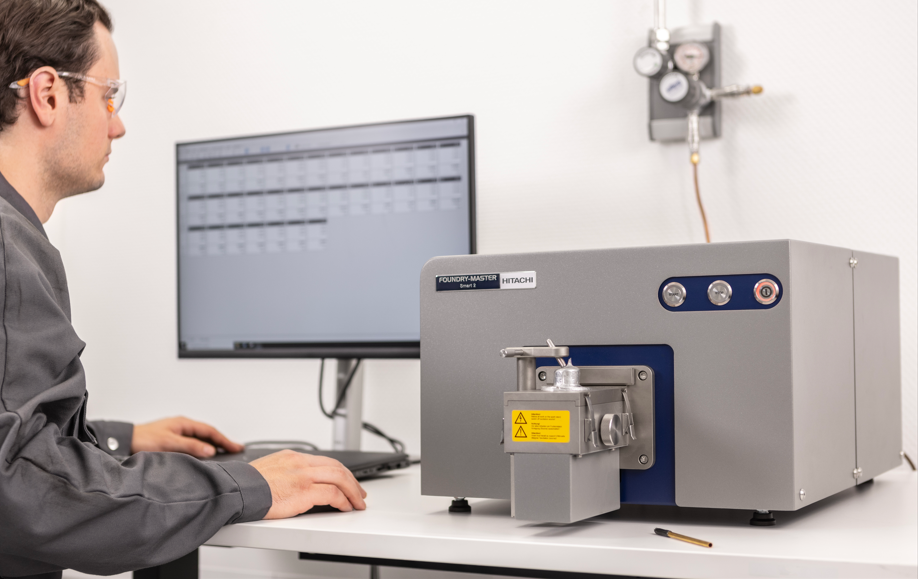
Handheld LIBS analyzers are designed for rapid metal identification directly at the point of inspection. Their fast measurements make them useful when large numbers of samples need to be checked.
This is highly valuable in scrap and recycling operations, incoming material inspection and manufacturing environments where rapid alloy identification helps prevent material mix-ups. Handheld LIBS is also well suited to identifying and sorting many aluminum alloys.
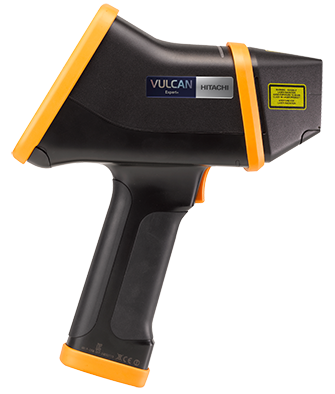
Handheld LIBS is minimally destructive rather than completely non-destructive. The laser removes a very small amount of material, leaving a small mark on the surface. This is usually acceptable for industrial identification tasks, but it should be considered when the surface finish must be preserved.
Performance depends on the instrument, alloy, calibration and sample condition. Surface contamination, oxidation and differences in material composition can affect results. Handheld LIBS should not be assumed to provide the same quantitative performance or elemental coverage as spark OES.
For applications requiring precise measurements of carbon or other elements at low concentrations, the capabilities of the specific Handheld LIBS analyzer must be checked carefully.
Typical applications: rapid alloy identification, aluminum alloy sorting, scrap and recycling, incoming material checks and on-site material verification.
XRF combines fast measurements with non-destructive elemental analysis, making it a widely used technology for metal identification and material verification.
Handheld XRF analyzers are suitable for alloy identification, routine PMI, incoming material inspection and quality control. Because XRF does not normally leave a measurement mark, it is useful when the sample surface must remain intact or repeated measurements are required.
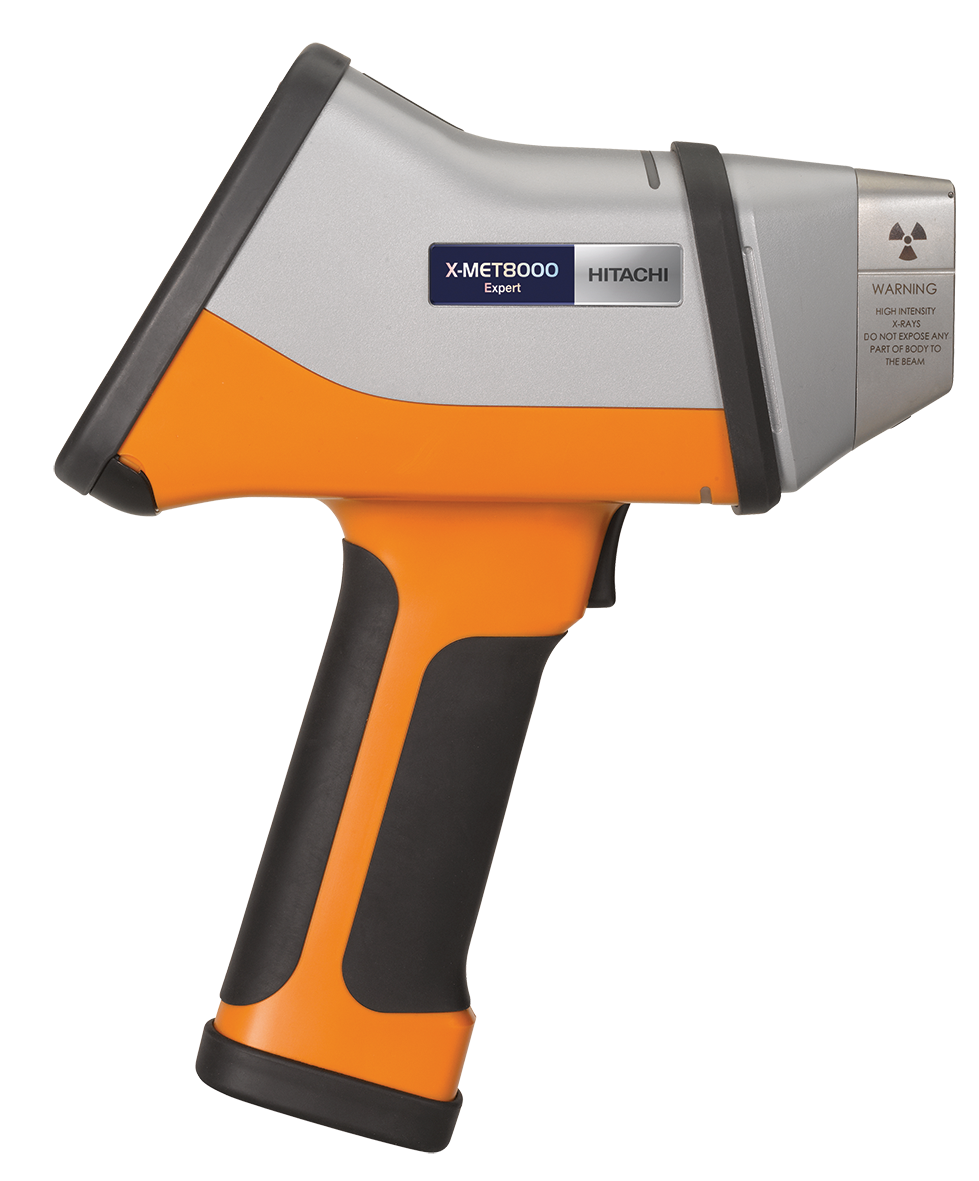
However, handheld XRF has limitations when it comes to light elements. Standard handheld XRF analyzers cannot reliably determine carbon content in steel, and other light elements may also be outside an instrument's measurable range.
This matters when verifying materials whose grades depend on carbon concentration. Two steels can have similar alloying elements but differ in carbon content, which can affect their classification and properties. In such cases, handheld XRF alone may not provide all the information required for definitive grade verification.
Typical applications: alloy identification, material verification, routine PMI, quality control and production inspections.
Optical Emission Spectroscopy is great when the elemental composition of a metal must be measured accurately and compared with a defined specification.
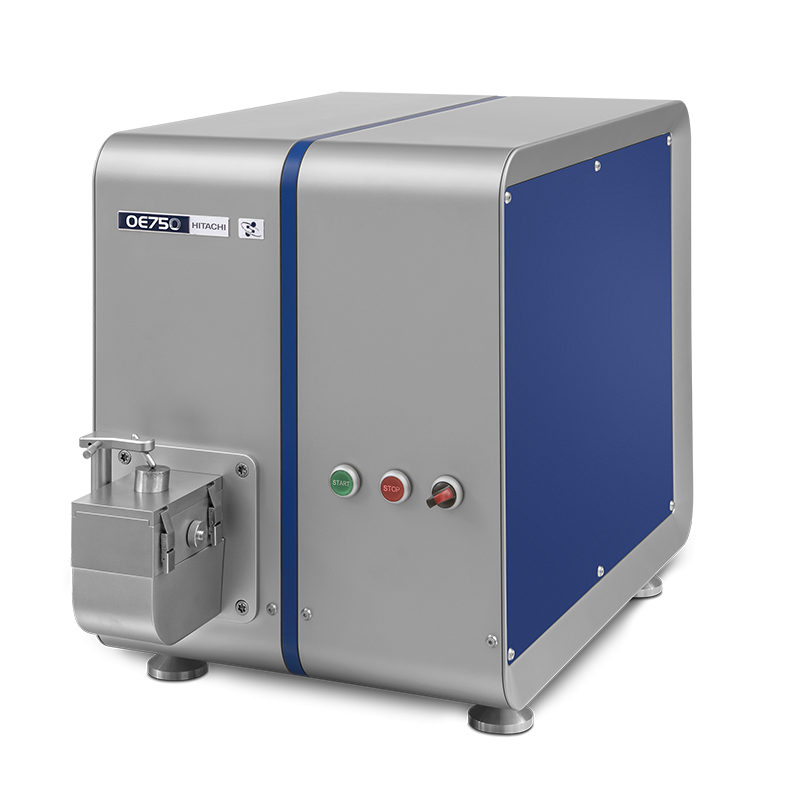
Spark OES can measure a wide range of alloying and trace elements and is especially useful for determining light elements like carbon, nitrogen, phosphorus and sulfur, depending on the instrument configuration. These elements can be essential for distinguishing steel grades and verifying material specifications.
OES generally offers excellent precision and low detection limits for routine metallurgical analysis. It also analyses a larger volume of material than handheld LIBS, which can help produce more representative results when the sample is heterogeneous.
The technology has practical limitations. Spark OES leaves a burn mark on the sample and requires suitable electrical contact with a conductive metal surface. Depending on the instrument and application, surface preparation and an argon supply may also be necessary.
Typical applications: steel grade verification, quantitative quality control, material certification, foundries, metal production and demanding PMI applications.
| Feature | Handheld LIBS | Handheld XRF | Spark OES |
| Primary strength | Rapid alloy identification | Non-destructive analysis | Quantitative analysis |
| Sample impact | Small laser mark | Normally non-destructive | Visible burn mark |
| Alloy identification | Well suited | Well suited | Well suited |
| Aluminum alloy sorting | Well suited | Can identify many alloys | Suitable for detailed analysis |
| Carbon measurement | Instrument-dependent | No carbon; other elements measurable | Well suited |
| Quantitative performance | Application-dependent | Suitable for many elements | Excellent for routine metal analysis |
| Portability | Handheld | Handheld | Depends on configuration |
| Typical use | Rapid identification and sorting | Material verification and routine PMI | Grade verification and quality control |
Capabilities, measurable elements and detection limits vary by analyzer model, calibration, sample condition and application.
1. Do you need to identify and sort large numbers of samples quickly?
Handheld LIBS is a strong option for rapid alloy identification and sorting, especially for aluminum alloys and high-throughput applications. Handheld XRF is also suitable for rapid identification, so the choice depends on the alloys involved and the performance required.
2, Must the sample surface remain intact?
XRF is the preferred option when non-destructive measurement is essential. Handheld LIBS removes a very small amount of material, while spark OES leaves a visible burn mark.
3. Do you need accurate carbon or nitrogen measurements?
Spark OES is generally preferred when these elements must be quantified accurately for grade verification or material certification. Standard handheld XRF analyzers cannot reliably measure carbon in steel. Handheld LIBS capabilities should be verified against the specific instrument's specifications.
4. Do you need to identify an alloy or measure its composition precisely?
Handheld XRF or LIBS may be sufficient for routine alloy identification and material verification. If you need to quantify elemental concentrations against a material specification, particularly for critical quality control, OES may be the better choice.
Handheld LIBS, handheld XRF and OES each serve different purposes in metal analysis.
Handheld LIBS is very effective for rapid alloy identification and sorting. Handheld XRF provides versatile, non-destructive elemental analysis for material verification and routine PMI. OES offers high-performance quantitative analysis when accurate elemental concentrations are essential, especially for light elements like carbon in steel.
The right choice depends on the application, required analytical performance, elements of interest and acceptable impact on the sample. For many organizations, combining technologies provides an effective approach to rapid identification, non-destructive verification and detailed quantitative analysis.
Which technology is best for positive material identification (PMI)?
Handheld XRF is widely used for routine PMI because it provides rapid, non-destructive elemental analysis of many alloys. Handheld LIBS is useful for rapid alloy identification and sorting. OES is generally preferred when accurate measurements of carbon or other critical elements are required.
Can XRF measure carbon in steel?
Standard handheld XRF analyzers are generally not suitable for measuring carbon in steel. When carbon content is critical for grade identification or material certification, spark OES is typically the more appropriate technology.
Is handheld LIBS destructive?
Handheld LIBS is minimally destructive. The laser removes a very small amount of material and leaves a small mark on the surface. For many industrial applications, this limited surface impact is acceptable.
Which technology is best for aluminum alloy identification?
Both handheld LIBS and handheld XRF can identify many aluminum alloys. Handheld LIBS is useful for rapid sorting, while XRF offers non-destructive analysis. OES may be selected when more detailed quantitative elemental analysis is required.